
What is it with us and survival horror? Why do we actively seek out the experience of being stalked through a dimly lit hallway by some grotesque, flesh-wrapped nightmare with too many teeth? Why do we enjoy getting lost in eerie, crumbling mansions while something unseen breathes down our necks? And, more importantly, why do we keep coming back for more?
Survival horror has been messing with our heads for decades, and somehow, it’s only getting more popular. So, let’s take a look at why we love terrifying ourselves and how this genre became the absolute icon of gaming dread that it is today.
A Brief History of Digital Terror
Survival horror as we know it really kicked off in the ‘90s, thanks to a few groundbreaking games that set the tone for decades to come.
The Big Three That Started It All
🔹 Alone in the Dark (1992) – The granddaddy of the genre. Fixed camera angles, puzzles, and a heavy dose of Lovecraftian horror made this one of the first real survival horror experiences. You had clunky controls, stiff animations, and a general sense of helplessness—classic survival horror ingredients.
🔹 Resident Evil (1996) – If Alone in the Dark was the granddaddy, Resident Evil is the cool uncle who really made the genre mainstream. This game gave us limited resources, claustrophobic environments, and the definitive zombie experience. It also blessed us with hilariously bad voice acting (“You were almost a Jill sandwich!”), which is its own kind of horror.
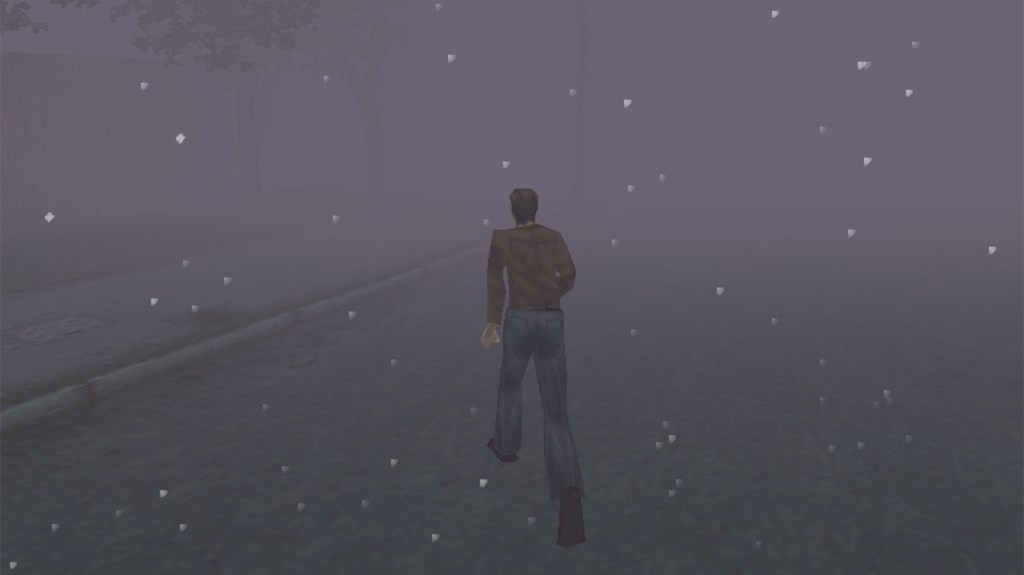
🔹 Silent Hill (1999) – Where Resident Evil gave us guns and shambling zombies, Silent Hill gave us existential dread. Konami accidentally struck gold with that thick, oppressive fog—originally just a way to mask hardware limitations, but it ended up becoming one of the most effective horror tools in gaming. Between its psychological horror, haunting soundtrack, and relentless atmosphere, Silent Hill cemented itself as a horror icon.
These games kicked down the door for survival horror, and the genre has been thriving ever since.
So Why Do We Love Survival Horror?
Okay, so we’ve established that we love being scared. But why? What is it about survival horror that keeps pulling us in?
1. Adrenaline and the Thrill of Fear
Nothing gets the heart racing quite like creeping through a decrepit mansion, low on ammo, with something just out of sight. Horror games tap into our primal fear responses—your brain knows you’re safe, but your body? Your body thinks you’re about to be eaten. And that rush is addictive.
2. The Ultimate Sense of Accomplishment
Few things are as satisfying as surviving an intense, white-knuckle horror sequence. Limited resources, terrifying enemies, and puzzle-solving under pressure mean that every small victory feels massive. Finding a save point after barely scraping through an encounter? Pure bliss.
3. Deep Emotional Engagement
Survival horror isn’t just about the scares—it’s about the emotions. Fear, anxiety, suspense, relief… and occasionally, even empathy. The best horror games make you care about the characters, which makes their fates all the more terrifying.
4. Exploration and Discovery
There’s something oddly satisfying about picking through decrepit environments, searching for hidden lore and secrets. Whether it’s discovering a creepy diary that hints at something truly disturbing (shoutout to every Resident Evil document ever) or just finding extra ammo, survival horror rewards curiosity.
5. Escapism with High Stakes
Games are escapism, but survival horror takes it to another level. You’re not just stepping into another world—you’re actively fighting to survive in it. And for some reason, knowing we can switch it off any time makes the horror feel more enjoyable.
6. Psychological Terrors That Stay With You
Survival horror doesn’t just throw monsters at you—it messes with your head. It exploits our fears: the dark, isolation, the unknown, grotesque body horror. The best games tap into deep, instinctual terrors that linger long after you turn them off.
Popular Survival Horror Series Inspired by the Originals
I’ve already talked about Resident Evil, Silent Hill and Alone in the Dark, so I’ll leave them off this list but just assume they are at the top.
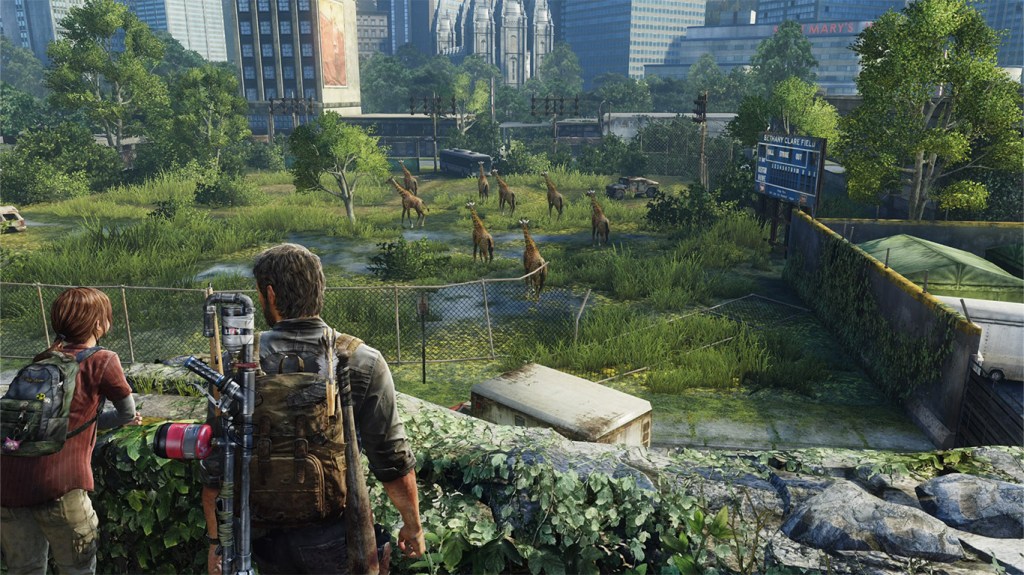
The Last of Us: Most people will already know about this one as it’s been in the media a lot lately with the release of the (truly excellent) TV series. The game is an action-adventure survival horror developed by Naughty Dog and initially released in 2013 for the PlayStation 3. It was later remastered for the PlayStation 4 in 2014. Set in a post-apocalyptic world after a fungal outbreak, The Last of Us follows the story of Joel, a hardened survivor, and Ellie, a young girl who may hold the key to humanity’s survival. Not only is this game full of suspense, it’s also incredibly beautiful in places, and I loved the dynamic between Joel and Ellie.
Outlast: The Outlast series, which includes Outlast (2013) and Outlast 2 (2017), focuses on first-person survival horror with a heavy emphasis on psychological terror. You’re typically unarmed and must rely on stealth and running to survive while navigating terrifying environments.
Alien: Isolation: Inspired by the Alien film franchise, Alien: Isolation (2014) is a survival horror game that puts you in the role of Ellen Ripley’s daughter, Amanda. Set in a space station stalked by a single, relentless Xenomorph, the game creates a tense and suspenseful experience as you try to evade and outsmart the alien.
The Evil Within: Created by Shinji Mikami, the creator of the Resident Evil series, The Evil Within (2014) and its sequel The Evil Within 2 (2017) offer a mix of psychological horror and action. These games feature twisted and nightmarish environments, challenging gameplay and a complex narrative.
Dead Space: The Dead Space trilogy (2008-2013) combines survival horror with science fiction. Set in a spacefaring future, you take on the role of engineer Isaac Clarke as he battles grotesque and mutated creatures known as Necromorphs. The series is praised for its intense atmosphere, strategic dismemberment mechanics and immersive storytelling.
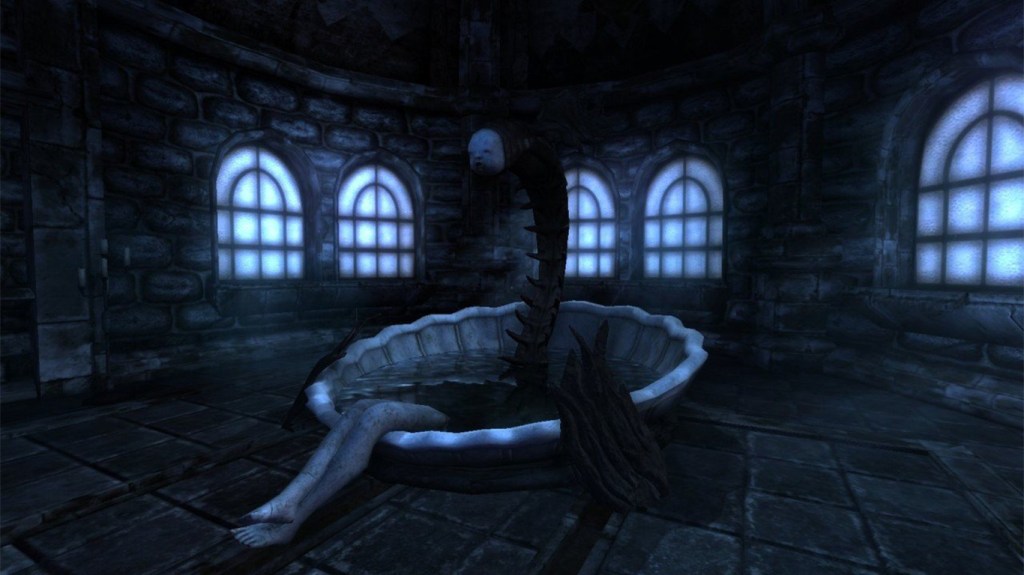
Amnesia: The Dark Descent: Released in 2010, Amnesia: The Dark Descent is a first-person survival horror game that gained critical acclaim for its immersive atmosphere and psychological horror. I’ve actually played this game and I can attest it is really creepy. It revolves around exploration, puzzle-solving, and stealth. Your POV character, Daniel, must navigate Brennenburg Castle while avoiding deadly creatures that lurk in the darkness. Unlike many other survival horror games, Amnesia deliberately limits your ability to defend yourself. Emphasis is instead placed on hiding, running and managing Daniel’s sanity.
Until Dawn: An interactive survival horror game developed by Supermassive Games and released in 2015, this is a story-driven game that combines elements of horror, suspense and choice-based gameplay. It’s designed to resemble a Hollywood horror movie and features a branching narrative with multiple possible outcomes.
The Forest: The Forest is a survival horror game developed by Endnight Games. It was initially released in early access in 2014 and had its full release in 2018 for Windows. It’s set on a remote, densely forested peninsula where the player character survives a plane crash and must navigate through a hostile environment while unraveling the mysteries of the island. I’ve not played this one but I did watch Neebs Gaming play it over here on YouTube (they are always so entertaining!).
The genre has seen many great titles over the years, each offering its own unique take on horror, gameplay mechanics and storytelling.
My Love-Hate Relationship with Survival Horror
I love horror games. I also absolutely cannot handle them.
I get about 30 minutes in, and suddenly I need a break. Or a snack. Or to just stare at a wall for a bit. But somehow, I always go back. It’s a cycle of terror, frustration, and adrenaline that I can’t resist.
In fact, I’m considering playing through all the Resident Evil games this year—from the first one onward. Good idea? Terrible idea? Should I blog about it? Let me know.
Final Thoughts
Survival horror has come a long way since the ‘90s, but at its core, it’s still about the same thing: surviving against all odds. The tension, the fear, the thrill—it’s why we keep coming back.
Now, if you’ll excuse me, I need to go find a nice, wholesome farming sim to recover from writing all this.
 Jenesque Gaming
You must be logged in to post a comment.