
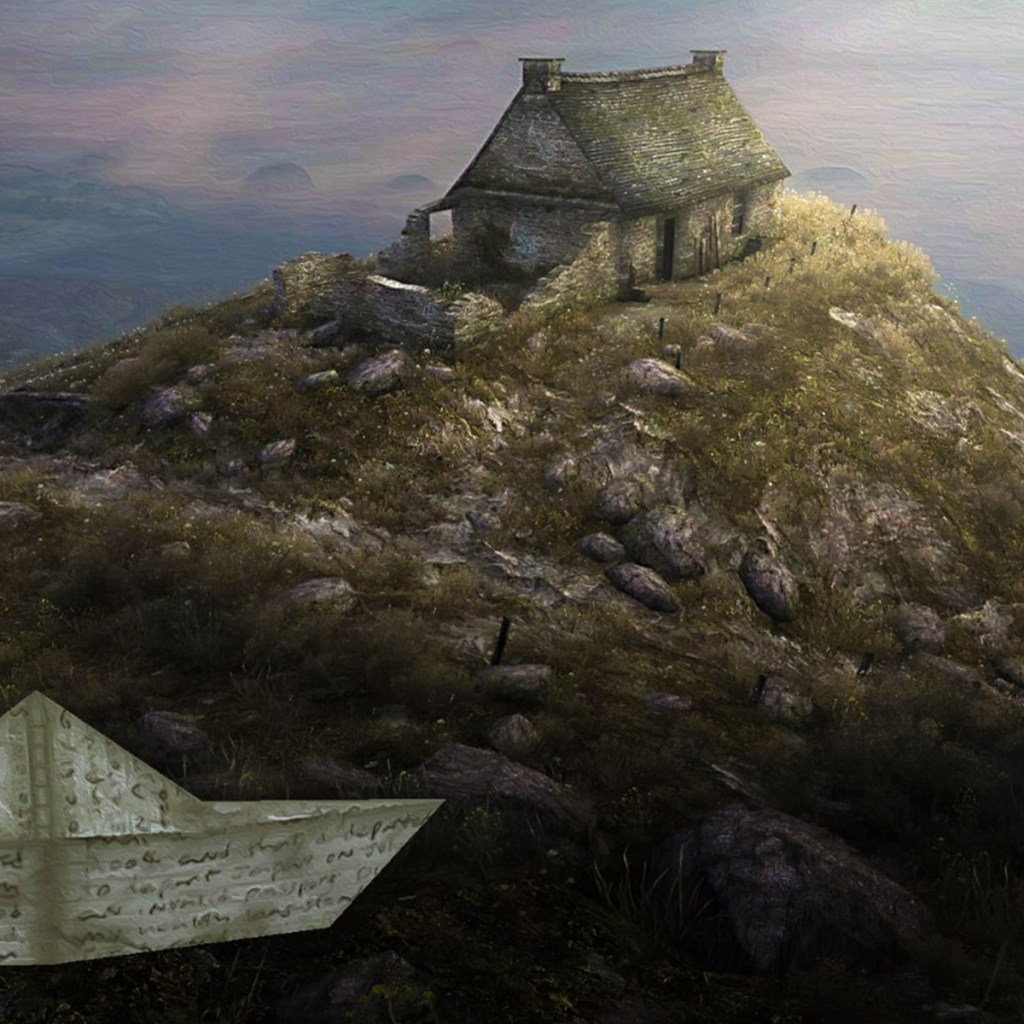
I first played Dear Esther a couple of years ago and I still can’t forget the experience. Fast paced, action-packed gameplay and intricate mechanics often take centre stage in gaming these days, but there are those rare gems that defy traditional conventions and offer a unique and thought-provoking journey. Developed by The Chinese Room and released in 2012, Dear Esther stands as a prime example of such a game.
Immediately when you first start playing, you understand that Dear Esther strips away traditional gameplay elements like action, instead immersing you in a beautifully crafted narrative-driven journey. This one hit me hard when I played it; everything about it was so unexpected and gorgeous that I spent a lot of the game with a face like this: 😮 and also like this: 🤩.
One thing you have to be aware of before you go in is that this is essentially a walking sim. You barely interact with anything within the game world, but if you love a strong, heart-breaking, compelling story then you should be able to look past the lack of traditional mechanics.
A Poetic and Evocative Landscape
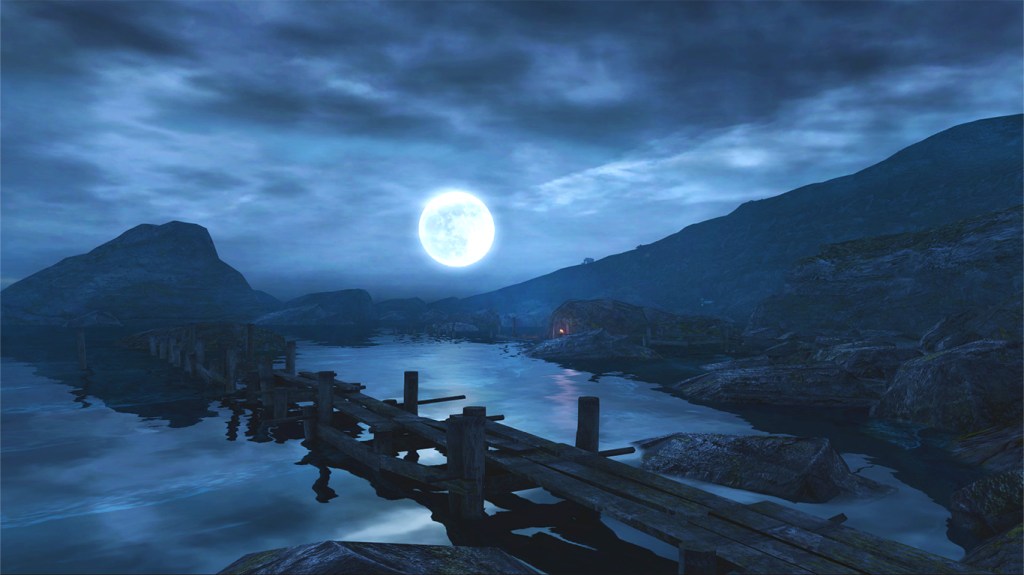
Dear Esther unfolds on a deserted Hebridean island, shrouded in mystery and loneliness. As you explore the island’s rugged cliffs, abandoned structures, and hauntingly beautiful landscapes, you become enveloped in a deeply atmospheric world. The game’s stunning visuals, complemented by a haunting musical score (I give the score its own section below), create an evocative backdrop that immerses you in a contemplative and introspective experience.
The Power of Narrative
Dear Esther eschews traditional gameplay mechanics in favour of a purely narrative-driven experience. The game revolves around a series of spoken monologues delivered by an unseen narrator, offering fragments of a deeply personal and emotional story. As you explore the strange and eerie island, the narrative unfolds organically, allowing you to piece together the protagonist’s journey and form your own interpretations. The absence of traditional gameplay elements places the storytelling at the forefront, inviting you to fully immerse yourself in a beautifully crafted tale.
Ambiguity and Interpretation
One of the defining aspects of Dear Esther is its ambiguity, leaving plenty of room for interpretation. The fragmented narrative and poetic prose offer multiple layers of meaning, allowing you to form your own conclusions about the story and its themes. This open-ended approach sparks introspection and encourages you to engage actively with the narrative, fostering a deeply personal connection to the game.
A Pioneering Approach to Environmental Storytelling
Dear Esther’s approach to environmental storytelling is utterly breathtaking. The island itself serves as a narrative device, with the landscape and visual cues revealing fragments of the protagonist’s story. The environment becomes a metaphorical extension of the narrative, representing emotions, memories and the inner turmoil of the protagonist. This unique approach to storytelling through the environment adds a new dimension to the game’s narrative, deepening its emotional impact.
A Catalyst for Artistic Exploration

Dear Esther has had a profound impact on the gaming industry, paving the way for other narrative-driven games that prioritise storytelling and atmosphere. Its success has shown that video games can be a medium for artistic expression and emotional resonance, challenging the notion that gameplay is the sole focus of the medium.
The Soundtrack
The score of Dear Esther, composed by Jessica Curry, is a mesmerising and emotionally resonant masterpiece. I’ve listened to this OST a lot over the years and it never fails to hit me in the feels.
Jessica Curry’s evocative melodies and atmospheric soundscapes brings the game’s poignant narrative to life, building on the immersion and your own contemplation and introspection. The music’s ability to capture the essence of the protagonist’s emotions and the haunting beauty of the island setting is nothing short of exceptional. It’s a wonderful example of how video game music has the power to transcend its medium and stands as a testament to the profound impact of music in storytelling.
Go listen to it here. No, seriously. It’s beautiful.
It’s easy to get distracted by all the action and adventure games out there, but don’t let this one slide past you if you love a gorgeous story and setting. Dear Esther reminds us that games can be a powerful vehicle for immersive storytelling and emotional resonance.
Have you played Dear Esther? Let me know what you thought of it in the comments.
 Jenesque Gaming
You must be logged in to post a comment.