
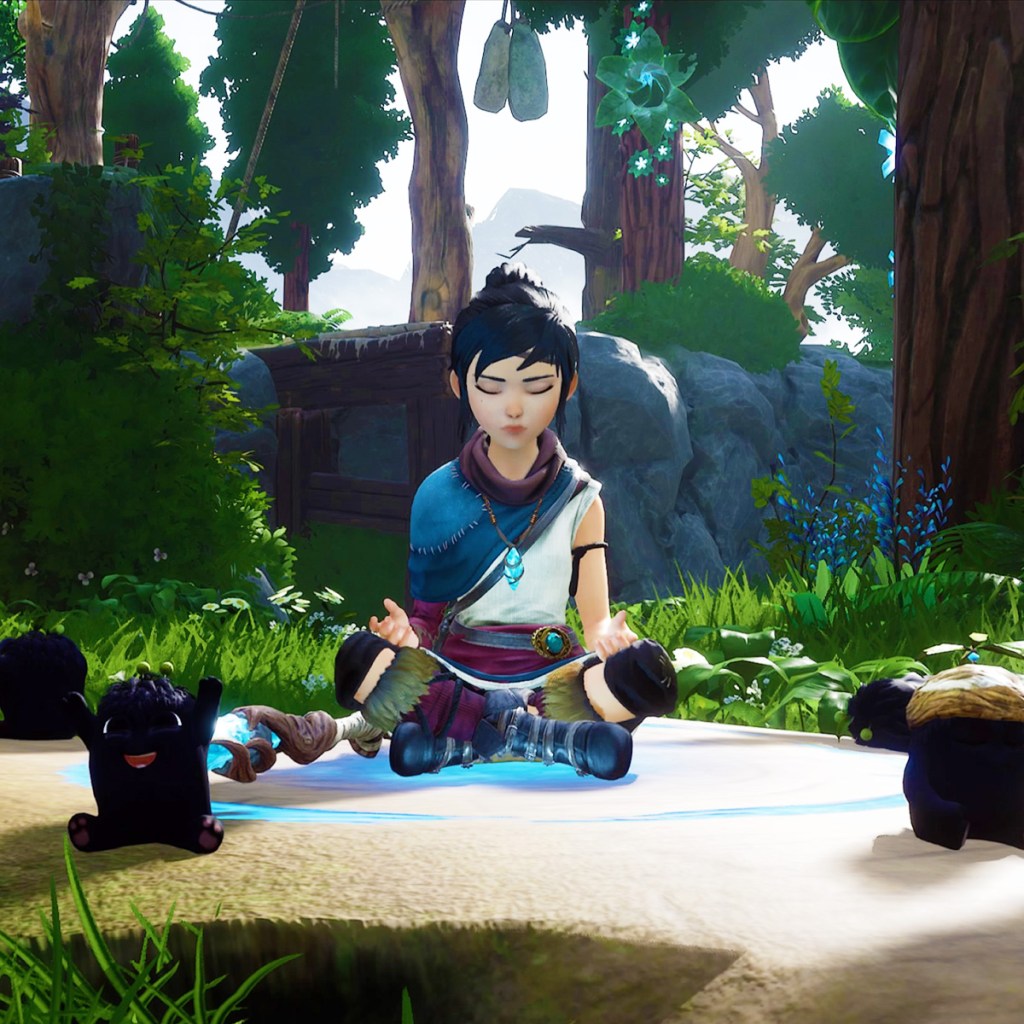
Along with TUNIC, Kena: Bridge of Spirits could be up there in my top 10 indie games of all time. It’s certainly one of the most charming games I’ve played in recent years, with a beautiful design and varied gameplay… and the Rot! It’s hard to believe that this is only the first game developed by Ember Lab, who’ve done a stunning job at creating a vivid and memorable landscape and characters.
Kena: Bridge of Spirits is an action-adventure game set in a lush and enchanting world. It combines puzzle solving, combat and platforming in a smooth and satisfying way so that you never feel bored as you explore the different areas. Its protagonist, Kena, is a young spirit guide who must navigate the mystical spirit realm, battling corruption and restoring balance.
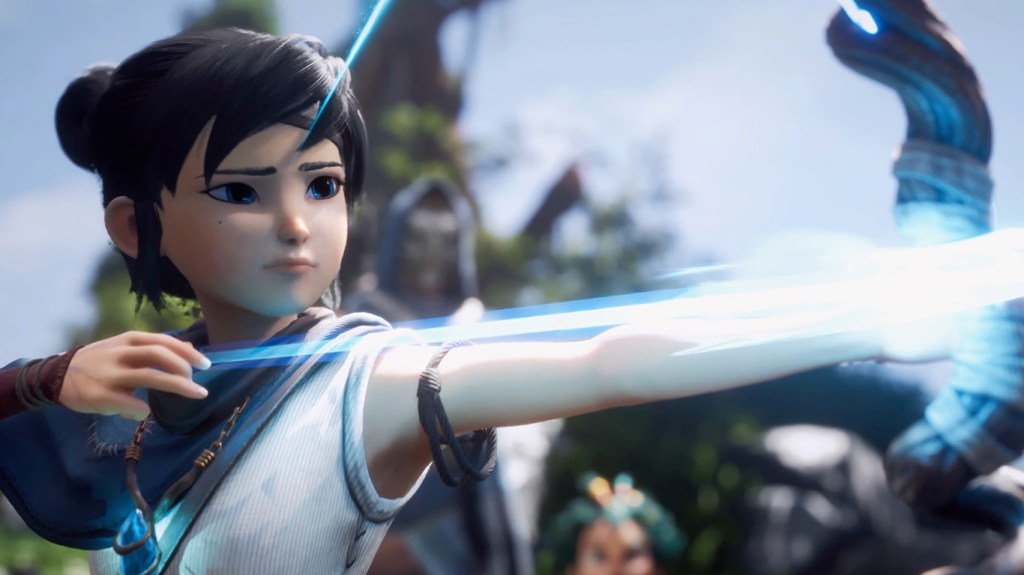
One of the main standout features of Kena is its visuals. The art design is vibrant and detailed and its cut scenes feel like you’re watching a movie. The animation itself is fluid and I didn’t notice any drops in quality anywhere in the game (playing on PS5). From lush, mystical forests to ancient ruins and ethereal landscapes, each area is meticulously crafted to create a visually compelling and diverse setting. The design draws inspiration from various cultural and mythological influences, which creates a visually distinct and captivating world. You can find yourself running through warm, sunlit meadows one moment, and then in cool, bioluminescent caves the next. It’s really clever at evoking different atmospheres.
Each location is filled with intricate details, such as ancient carvings on stone structures, dynamic weather effects like rainfall and wind, and lush vegetation that reacts realistically to Kena’s movements. Exploration is enhanced by the ability to interact with the environment, such as using Kena’s magical staff/bow to cleanse corrupted areas, revealing hidden pathways and opening up new areas to explore.
And did I mention the Rot?

Gameplay Mechanics
One of the things I liked most about Kena is the varied gameplay mechanics. You’re never left platforming for too long before you’re thrust into combat. And you’re never stuck in constant combat, allowing you time to enjoy and solve the many puzzles that are dotted around the map.
There are a few core elements to the gameplay that particularly stood out to me:
Magical Abilities:
Kena’s magical abilities are central to the gameplay. These abilities, which include manipulating the environment and interacting with spirits, are crucial for both puzzle-solving and combat. You start the game with a magical staff, but over time you learn how to use it as a spirit bow which allows you to fire your abilities at distant objects (or enemies). Throughout the game you can upgrade certain weapons and abilities, like adding rot to your bow to fire off a more powerful shot against the tougher enemies and bosses.
The Rot Companions:
The Rot might look like adorable followers that accompany you across the map, but they are so much more than that. You can use them to move objects so that you can access hard-to-reach areas, they can activate mechanisms for you, or combine them into a cool-looking water dragon to cleanse pockets of corruption and uncover a hidden secret. They can also be incredibly useful in your skill/weapon upgrades, as you can use ‘rot-infused’ arrows and bombs. Very helpful in a tough fight!
You’re encouraged to find as many Rot as you can, amassing a small army like you’ve probably never seen before.
Oh yeah, and you can collect a variety of cute little hats that you can equip on them. (Eeeee!!)
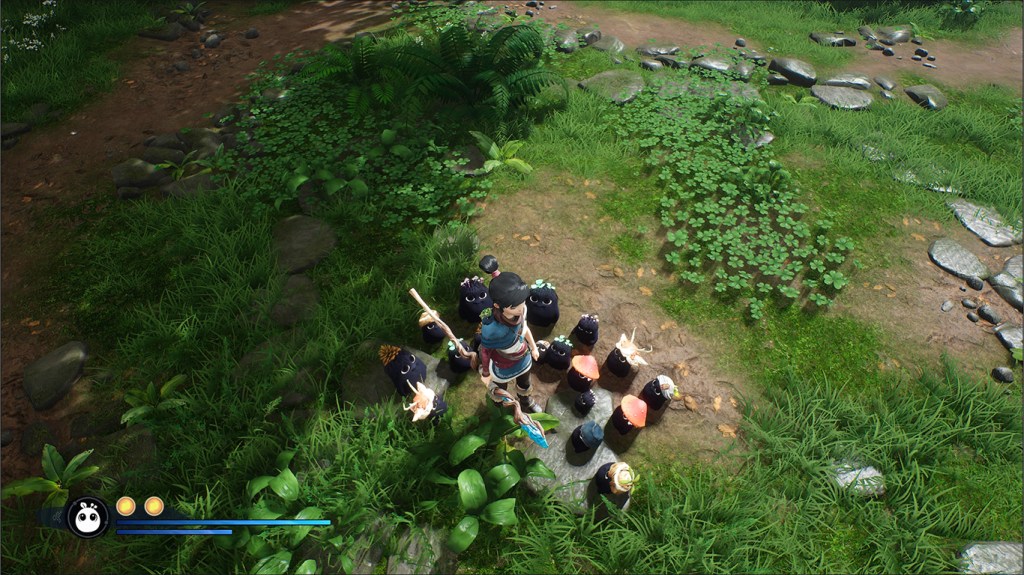
While the Rot are designed to help you during the gameplay, you’re also given the opportunity to sit with them and chill. You can cuddle them, feed them, and change their hats. The hat collectables and these tender moments don’t progress the story, but they are a welcome break from the exploration and combat so I highly encourage you to have some R&R with your Rot from time to time.
And yes, you can get Rot figurines.
Fluid Combat System:
The combat system is designed to be accessible yet deep, allowing you to chain together attacks, dodges, and special abilities to create dynamic and visually impressive combos. The game introduces various enemy types, each with unique attack patterns and behaviours, so it’s a good idea to get familiar with the different enemies and their move patterns (particularly when fighting bosses). Depending on the difficulty setting you choose at the start, combat can be… challenging… to say the least.
Cleverly Designed Puzzles:
Puzzle-solving is an integral part of the gameplay, and the puzzles in Kena are cleverly designed to challenge your logical thinking and creativity. These puzzles often require you to collaborate with the Rot and explore the wider area to uncover clues and hidden elements.
Boss Encounters:
Boss encounters require a combination of combat skills, strategic thinking, and effective use of Kena’s abilities, but it’s also important to learn the boss’s movement patterns in any given challenging fight. Boss fights are designed to be memorable, with each encounter having its unique mechanics and challenges. Luckily you’re given a wide variety of ways to enhance your combat experience (infused arrows, bombs, etc) and conquer tough fights.
Storyline and Characters
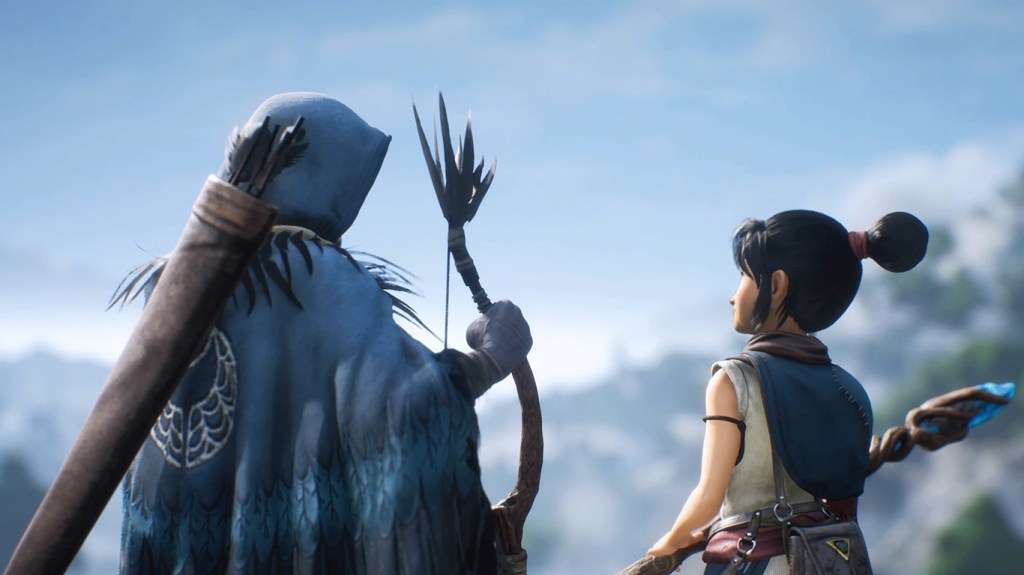
The narrative of Kena: Bridge of Spirits is a captivating tale that unfolds as you progress through the game. The story is deeply rooted in themes of loss, redemption, and the interconnectedness of life and death. Kena herself is a compelling protagonist, even though you never really learn a great deal about her or her past, and the supporting characters – including the Rot – add charm and emotional depth to the overall experience.
Themes of Loss and Redemption:
Themes of loss and redemption are a massive part of the game. Kena herself is guided by a sense of duty and a desire to bring peace to the spirits of the departed. There are many touching moments that give the gameplay emotional impact and a sense of satisfying progression.
Interconnectedness of Life and Death:
A central theme in the game is the interconnectedness of life and death. Kena’s journey involves navigating the spirit world and the bonds that tie the living and the departed. The narrative explores the consequences of disruptions in this balance, adding a mystical and philosophical layer to the storyline.
Kena’s Journey:
Kena herself is an intriguing protagonist with a mysterious past and a sense of purpose. Her journey is driven by a desire to help spirits find peace, and as you guide her through the enchanting world, you uncover the layers of her character. Kena’s personal growth and the evolution of her understanding of the spirit realm contribute to the emotional depth of the narrative.
Supporting Characters:
Beyond Kena, the game introduces supporting characters with their own stories and struggles. These characters add depth to the narrative and contribute to the emotional impact of the overarching tale. The relationships between Kena and these characters, whether spirits or other inhabitants of the world, enrich the storytelling experience.
Mystical Lore and World-building:
The game is deeply embedded in mystical lore, drawing inspiration from various mythologies and folklore. As you explore the world, you encounter spirits, uncover ancient stories, and learn about the history of the land. The world-building contributes to the sense of wonder and discovery.
Emotional Resonance:
Kena aims for emotional resonance in its storytelling. Whether it’s Kena’s interactions with spirits seeking peace or the challenges faced by the inhabitants of the spirit world, the narrative is crafted to evoke a range of emotions. The game’s atmospheric storytelling, combined with its visual and auditory elements, enhances the emotional impact of key moments.
Pacing and Narrative Flow:
The pacing of the narrative is carefully crafted to maintain player engagement. The story unfolds gradually as you progress, revealing mysteries and building anticipation. Well-timed story beats and reveals contribute to a sense of discovery and keep you invested in the unfolding tale.
Soundtrack and Audio
The musical score of Kena is a perfect complement to the game’s magical world. The soundtrack enhances the emotional impact of key moments and seamlessly blends with the overall atmosphere. The voice acting is well-done, bringing the characters to life and contributing to the immersive storytelling.
Replayability
While the main story might not be overly lengthy, Kena: Bridge of Spirits offers additional challenges, collectibles, and upgrades that encourage replayability. Exploring the world and uncovering its secrets can be just as enjoyable as progressing through the main quest.
Ember Lab has delivered a memorable experience that appeals to both casual players and those seeking a deeper narrative. The game’s enchanting world, coupled with its well-executed gameplay, makes it a standout title in the action-adventure genre.
Have you played Kena? What did you think? Share your thoughts below.
 Jenesque Gaming
You must be logged in to post a comment.