
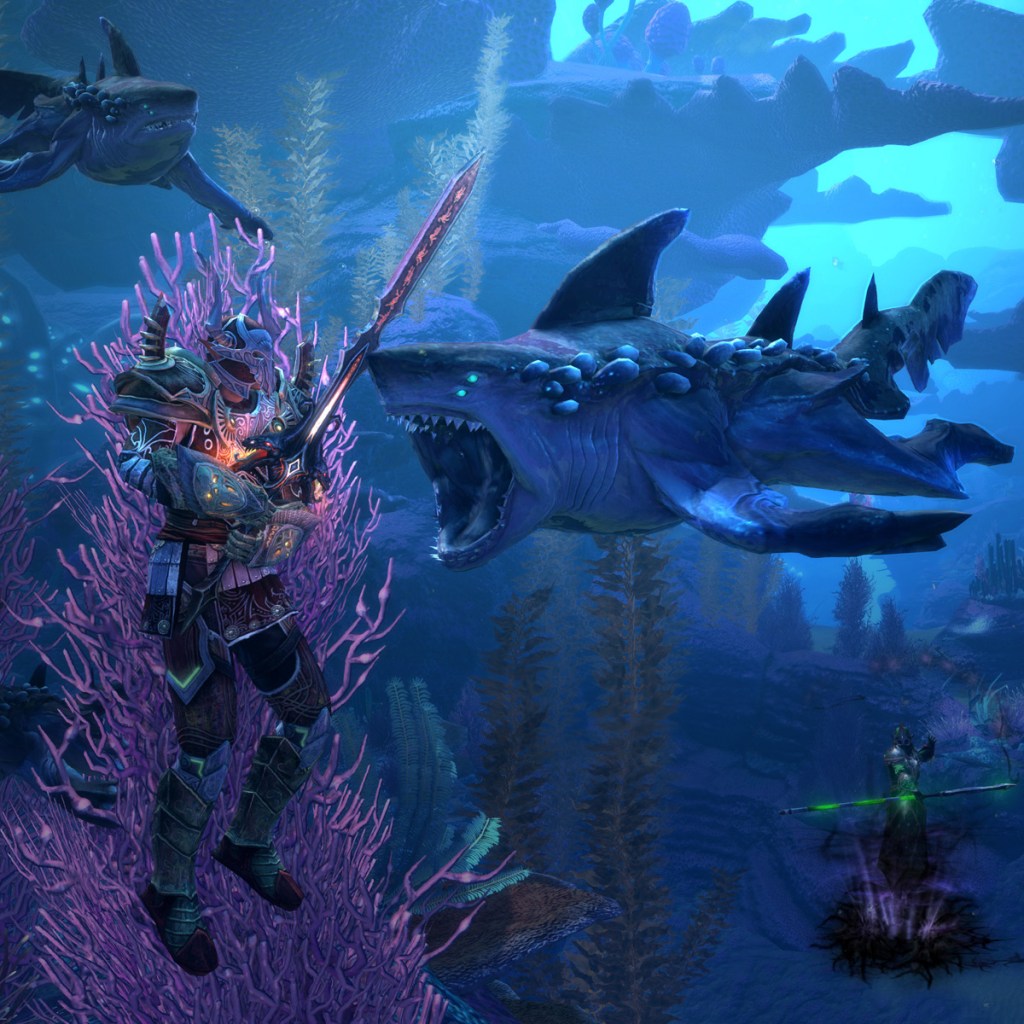
Rift was the first MMO I ever got seriously into. I’d tired WoW and gave it a good shot, but it didn’t stick with me for some reason. Then one day a close friend suggested that I try Rift, believing I might prefer it to WoW. Honestly, I’d had no luck with MMOs up until that point, so I was… dubious. This was around 2014 and Rift had already been out for a few years, so I figured why not – there would be plenty of content to try.
And yeah, I got hooked pretty fast. The art style appealed to me, plus I joined a guild full of awesome people and there was so much laughter and group activities that I couldn’t not become obsessed with the game.
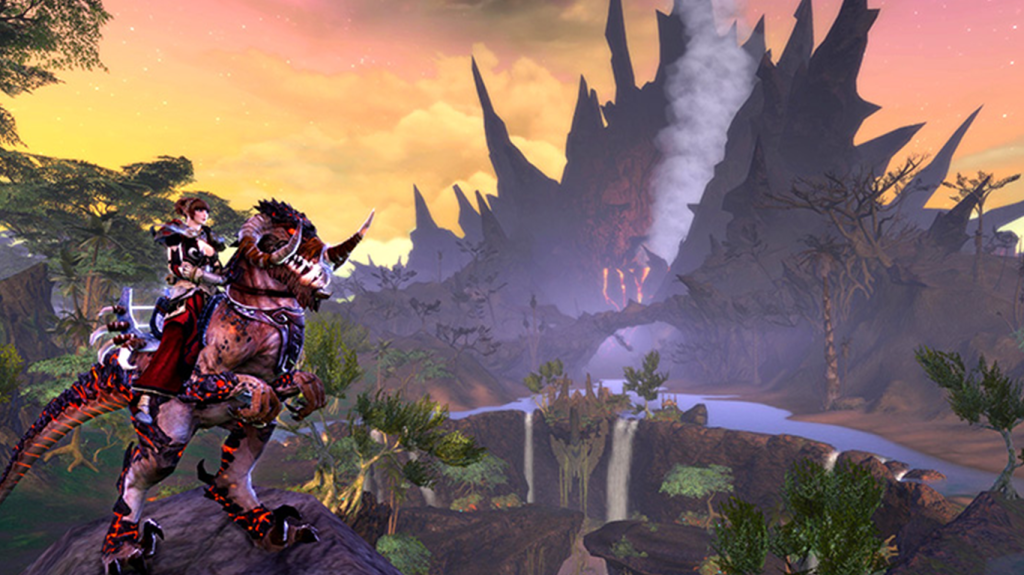
Rift was an ambitious MMO developed by Trion Worlds and launched in 2011, bringing with it a fresh approach to the genre and boasting innovative gameplay mechanics and a dynamic world that captured the attention of players around the world. But despite a strong start and a dedicated player base, Rift eventually succumbed to the challenges of the MMO market, leading to its inevitable decline. 😦
The Rise of Rift
Upon its release, Rift presented a promising alternative to the reigning MMOs of the time. The game introduced the concept of dynamic events and rifts that opened throughout the game world, pitting players against formidable foes and encouraging a sense of urgency and cooperation. The class system, known as Souls, provided a staggering amount of customisation options, and you could create unique and versatile characters that suited your playstyle. At the time, the game’s polished graphics, immersive lore and engaging storytelling further solidified Rift’s appeal.
The success of Rift was fueled by its ability to attract both hardcore MMO players and newcomers to the genre. It provided a wealth of content, including challenging dungeons, large-scale raids and PvP battles. The frequent updates and expansions, like Storm Legion and Nightmare Tide, demonstrated Trion Worlds’ commitment to keeping the game fresh and exciting, which further bolstered the player community and gave us all a lot to do when in-game.
The Dynamic World of Telara
You had two opposing factions, Guardians and Defiants, and when you created your character you had to pick one faction to align with. The Guardians were staunch defenders of the traditional and divine, embodying the virtues of order, faith and ancient values. Clad in heavy armor and wielding traditional weaponry, the Guardians draw strength from their commitment to preserving the sanctity of Telara. On the flip side, the Defiants represent a more technologically advanced and progressive approach to combating the encroaching threats. Rejecting the old-world mysticism of the Guardians, Defiants embraced the power of technology and magic, using advanced weaponry and arcane innovations to shape the future. This ideological clash formed the core of the conflict in Rift, with players choosing their allegiance based on their preferred playstyle and the philosophical principles they wished to champion in the ongoing struggle for Telara’s survival.

The game introduced a unique feature known as Rifts – tears in the fabric of reality that spawned otherworldly invaders. These Rifts could occur anywhere in the world, disrupting the peace and forcing players to band together to fend off the threats. This dynamic event system injected a sense of unpredictability into the game.
Choose Your Calling
As mentioned above, Rift offered players the opportunity to define their characters through the game’s unique Souls system. Instead of traditional character classes, players cout choose from a combination of three distinct Souls, each representing a different playstyle. With four callings (Warrior, Mage, Cleric, and Rogue) and multiple Souls within each calling, the possibilities for character customisation were vast, and honestly, exciting. It definitely encouraged you to play more than one character just to try out the many different abilities and combos available.
PVP and PVE Content
I’m not the biggest PVP fan but I spent many a happy hour in Warfronts, small instanced battles that were fast-paced and encouraged strategy. There were also dedicated PVP servers if that was all you wanted to do.
Rift struck a nice balance between PVE and PVP content. PVE enthusiasts could explore dungeons, engage in epic raids, and participate in world events like Rift invasions. PVP fans could enter battlegrounds or get into large-scale open-world conflicts. The game’s robust and diverse content catered to both solo and group players, ensuring there was always something for everyone.
Dimensions and Housing
The Dimensions system was very cool, with new players able to get hold of a couple of early-game, free Dimensions easily. They took player housing to a whole new level with instanced spaces that you could literally carry in your pocket and travel to at any time. You could build elaborate structures and create unique environments with the many furnishings and features.
Expansions and Continuous Evolution
Trion Worlds seemed committed to the ongoing development and improvement of Rift since its launch. The game saw multiple expansions, each introducing new zones, challenges and features. The dedication to continuous improvement kept the player base hooked and excited for more, ensuring that Rift remained relevant in an ever-evolving gaming landscape.

The Challenges and Downfall
Sadly as time went on, Rift faced numerous challenges that eventually led to its decline. One of the significant obstacles was the ever-increasing competition in the MMO market. New titles emerged, offering innovative gameplay mechanics and captivating worlds, diverting players’ attention from Rift. The rise of free-to-play models and the increasing popularity of other MMOs like Final Fantasy XIV presented formidable competition for the game.
Another factor contributing to Rift’s downfall was a shift in Trion Worlds’ priorities. The company faced financial difficulties and underwent several rounds of layoffs, which impacted the development and support for Rift. The dwindling resources and declining updates led to a lack of new content and slower response times for bug fixes and player concerns. As a result, the player base gradually dwindled, and the game’s overall popularity waned.
Rift also struggled with certain design choices that hindered long-term engagement. The dynamic rifts, once a highlight of the game, became repetitive and predictable over time. Once you’d closed twenty Rifts you’d pretty much closed them all. The endgame content also lacked the depth and variety required to retain hardcore players, and the PVP aspect failed to maintain a substantial competitive community.
The Transition: Trion Worlds to Gamigo
In October 2018, Rift faced a significant turning point when Trion Worlds, the original developer and publisher, underwent financial difficulties, leading to the sale of its assets. Gamigo, a prominent player in the online gaming industry, acquired Trion Worlds, including Rift. While this transition brought about changes in the game’s management, it also marked a period that influenced Rift’s trajectory.
The transfer of ownership raised initial concerns among the Rift community. Players were accustomed to Trion Worlds’ style of management and engagement, but were suddenly uncertain about the future of their beloved game under a new leadership. Questions about the commitment to ongoing development, community support, and the game’s overall direction were at the forefront of discussions within the player base, even though Gamigo stated that they had no intention to axe the game (at least not any time soon).
Impact on Development and Updates
The transition to Gamigo coincided with a noticeable shift in the frequency and scale of updates and expansions for Rift. While Trion Worlds had been known for its commitment to delivering substantial content and improvements, some players observed a slower pace of development under Gamigo’s leadership. This shift in development speed left some people longing for the robust updates they had grown accustomed to in the earlier years of Rift.
Communication between the development team and the player community also underwent changes. Some players expressed a perceived reduction in transparency and interaction from the developers. The community, which had been used to a more direct line of communication with the development team under Trion Worlds, felt a void in terms of understanding the direction and future plans for the game.
Stability Concerns
Another aspect that impacted the player experience was the concern about server stability and technical support. With a transition in ownership, there were occasional reports of server issues and a perceived decline in the responsiveness of customer support. Many of the original servers were closed down and those remaining were merged to meet the reduced playerbase. While this is a pretty normal strategy for a lot of online games, it didn’t spark much confidence for Rift players and many more left.
The Resilience of the Rift Community
Despite the challenges associated with the transition, the Rift community showcased resilience. Dedicated players continue – to this day – to explore Telara, take part in events, and create content within and outside the game. CADRIFT is probably the best website about Rift that’s active. While acknowledging the shifts, some players found ways to adapt to the changes and continue enjoying the unique features that Rift brought to the MMO landscape.
For my part, I usually re-log into Rift once a year around Christmas time (because I love the holiday themed event!) and although it doesn’t feel anything like it did in its heyday, there are still people playing and you can still find groups – though it’s easier to join an active guild to get involved in group content.
Conclusion
Rift’s rise and fall represent the challenges faced by many MMOs in an ever-evolving gaming landscape. Trion Worlds’ ambitious project showcased innovation in its gameplay at the time, and a committed community that embraced its unique features.
While I don’t think Rift will ever be as big and popular as it was in the two or three years following its launch, I hope it continues for those who still want to play it.
Did you play Rift back in the day, or do you still play it now? If so, let me know your thoughts about the game and how it has evolved over time. What keeps you playing?
Links
CADRIFT – A website designed to guide you through the puzzles and achievements in RIFT.
There is also an active Discord server: Heroes of Telara.
Rift Event Tracker – YARET.
 Jenesque Gaming
You must be logged in to post a comment.