
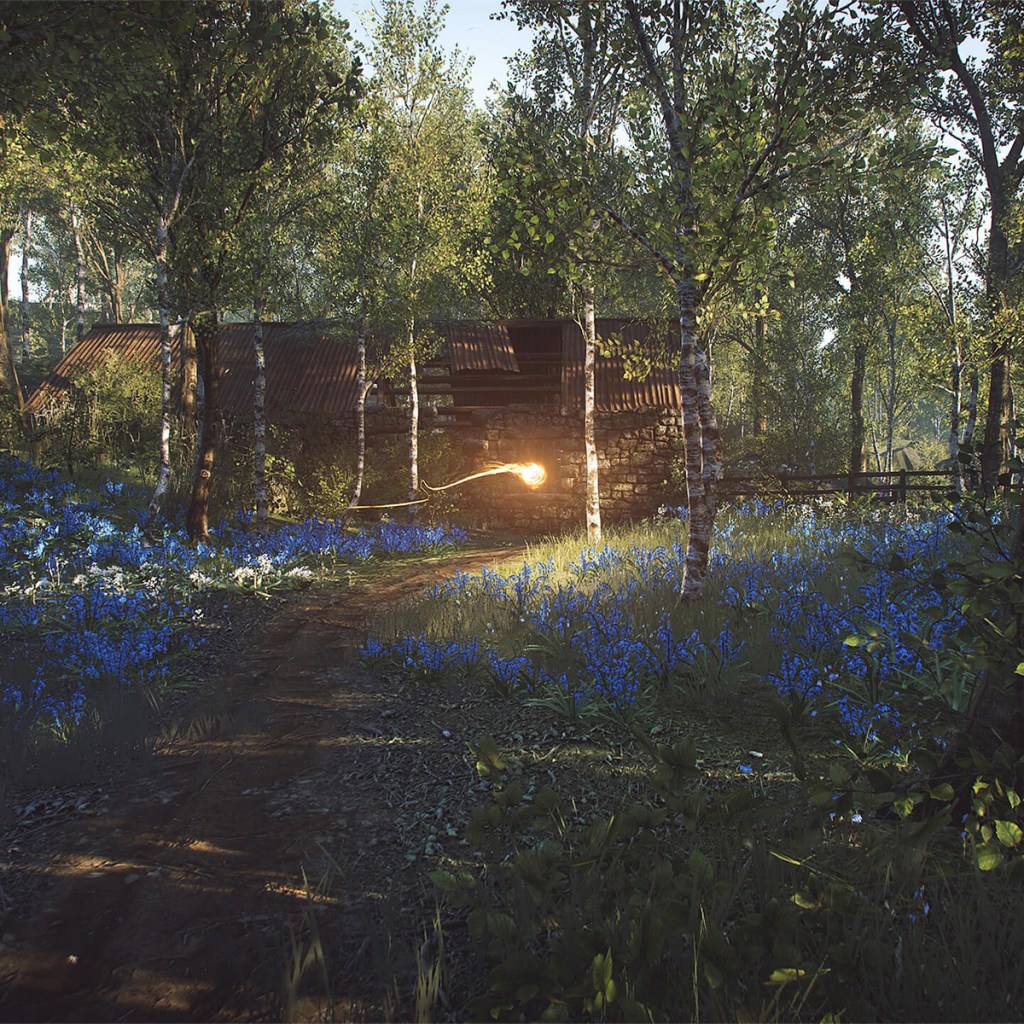
A while ago I posted about the incredibly atmospheric and emotional walking sim Dear Esther. Intrigued by the other games developed by The Chinese Room, I decided to try out Everybody’s Gone to the Rapture (on PlayStation) and it did not disappoint.
Everybody’s Gone to the Rapture feels like a walking sim a lot of the time, but there are a number of interactions and collectibles that you just don’t get in Dear Esther. It’s still emotional storytelling, but it feels like you’re more part of the setting this time, which is nice.
The game invites you to explore a hauntingly beautiful post-apocalyptic world where the remnants of human existence are told through subtle whispers and ethereal glimpses.
Everybody’s Gone to the Rapture takes you to the fictional village of Yaughton in rural Shropshire, England. The game’s narrative is shrouded in mystery, and you assume the role of an unnamed protagonist who explores the abandoned village, unraveling the events leading to the mysterious disappearance of the entire population. There’s something decidedly eerie about the abandoned houses and areas, although the game is gorgeous too so I wouldn’t call it a horror. It’s just… creepy, in a beautiful kinda way.
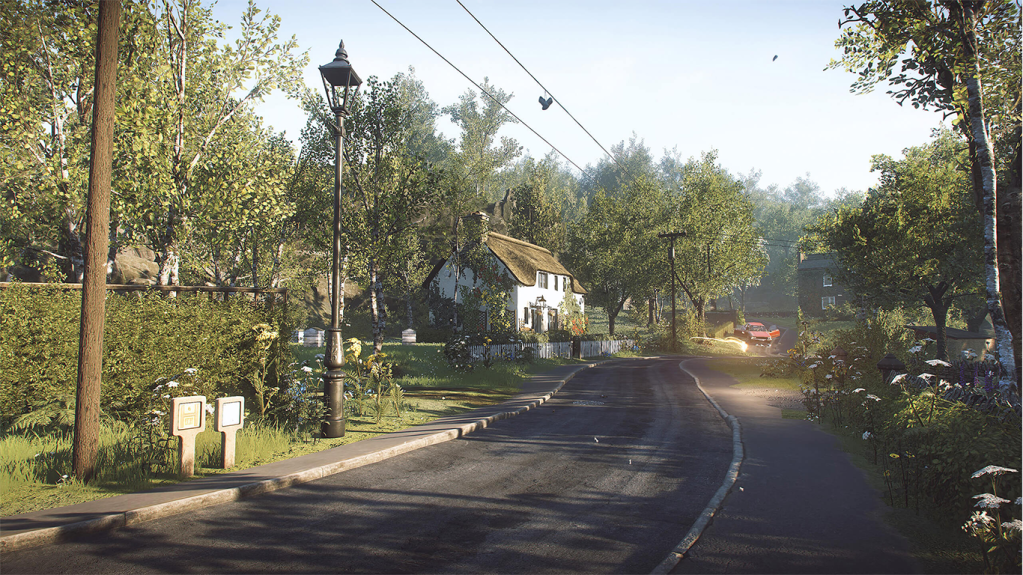
You’re not armed with a weapon and you’re never faced with traditional combat or challenges; instead, you’re encouraged to wander through the deserted streets and interact with glowing orbs of light that reveal fragments of the past. These orbs present scenes from the lives of the vanished villagers, gradually piecing together a complex narrative that is as heart-warming as it is mysterious.
The Visuals
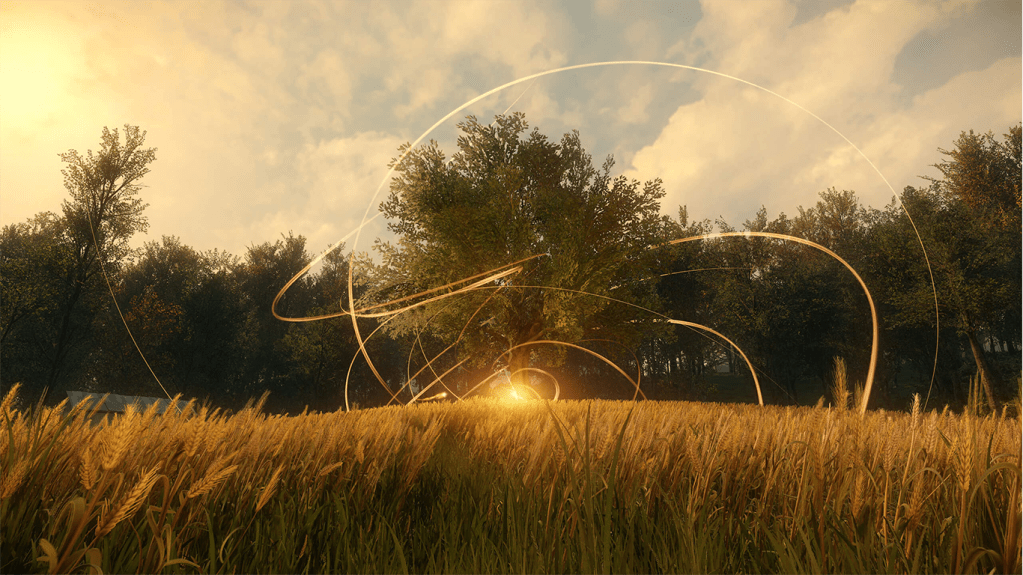
The visuals in this game really stand out and I don’t think a lower-quality setting would have made such an impact. At times you really feel like you’re in Yaughton, feeling every blade of grass brush your legs as you trek through fields, and shivering at the breeze that winds down the hills.
The picturesque landscapes, the attention to detail in the village, and the dynamic lighting create an atmosphere that is simultaneously serene and haunting.
Soundtrack and Atmosphere
Journeying through the deserted village is accompanied by a hauntingly beautiful score composed by Jessica Curry – a true master in enhancing emotional impact and immersion.
The combination of visual and auditory elements results in an atmospheric masterpiece that captivates you and draws you deeper into the enigma of Yaughton.
Narrative Complexity
The strength of Everybody’s Gone to the Rapture lies in its narrative complexity. The interconnected stories of the villagers, the unfolding mysteries, and the emotional depth of the characters create a rich tapestry of human experience. As you piece together the fragments of the past, you are confronted with themes of love, loss, and the consequences of scientific curiosity gone awry.

Should You Play It?
Well, that depends on your gaming preferences. Walking sims (or similar) are not everyone’s cup of tea. I love atmosphere and great storytelling, mystery and exploration, so it wasn’t a big surprise that I enjoyed the game. If you prefer FPS, this one might not be for you. 🙂
As with Dear Esther, this game eschews traditional gameplay elements like combat and jump-scares, embracing a more contemplative approach. The game’s haunting beauty, combined with its evocative narrative, makes it a standout title that lingers in the mind long after the final orb has been discovered. In a gaming landscape often dominated by action and competition, Everybody’s Gone to the Rapture stands as a reminder that video games can be a canvas for profound, emotional storytelling.
 Jenesque Gaming
Leave a comment