
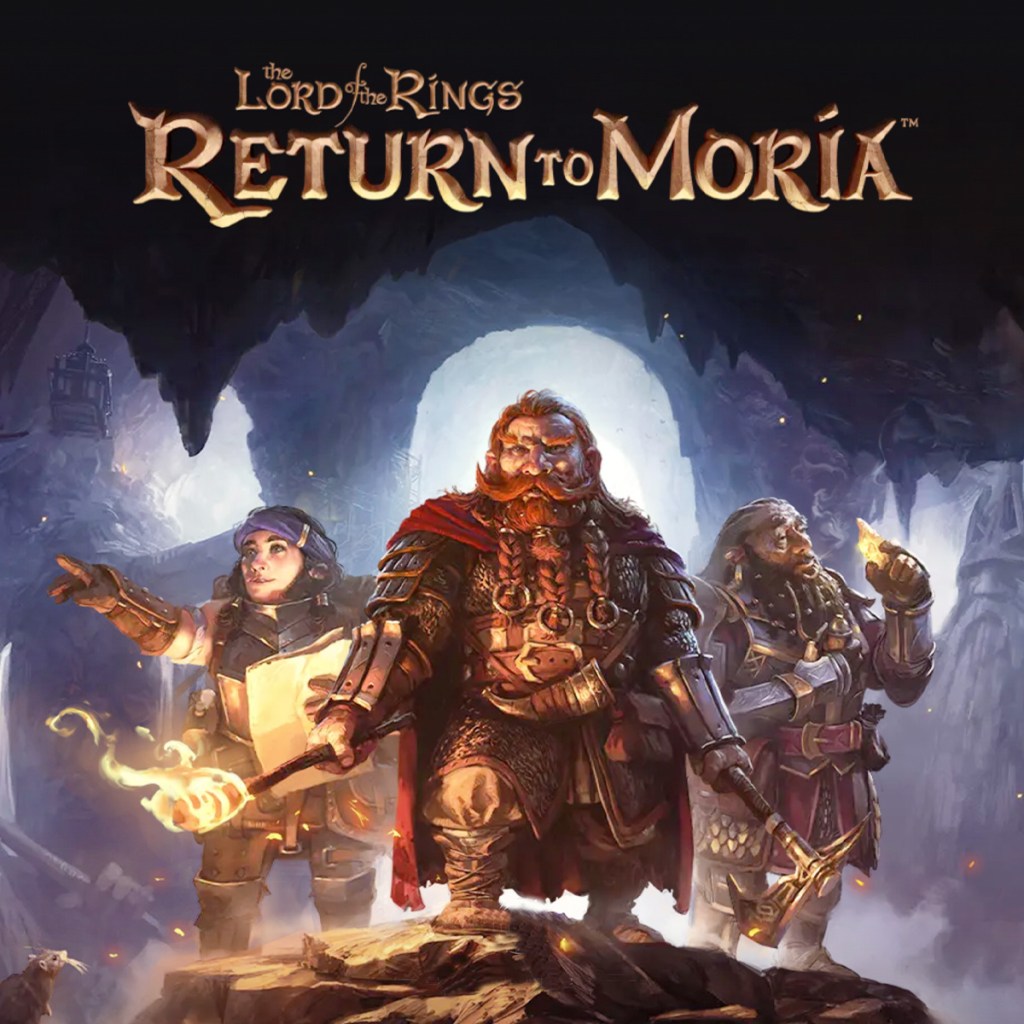
I’ve always had a soft spot for dwarves. They’re grumpy, stubborn, and slightly obsessed with shiny things—relatable, really. So when The Lord of the Rings: Return to Moria was announced, I knew I had to get in there. A survival crafting game set in the depths of Moria, filled with mining, smithing, and orc-smashing? Yes, please.
Now, about twelve hours in, I can safely say: I’m loving it.
Digging Deep and Taking My Time
I’m not rushing through this one. Partly because I want to savour the experience, but mostly because I keep getting distracted by the sheer joy of mining, building, and exploring. The loop of gathering resources, crafting better gear, and slowly reclaiming the depths of Moria is deeply satisfying. It scratches that survival-game itch, but with an added layer of Tolkien magic that makes it feel extra special.
Developed by Free Range Games and published by North Beach Games, Return to Moria is the first survival-crafting game set in Tolkien’s universe. It takes place during the Fourth Age, after the events of The Lord of the Rings, when Gimli and his kin seek to restore Khazad-dûm to its former glory. This is a story only hinted at in Tolkien’s appendices, making it fertile ground for a game that mixes exploration, combat, and city-building.
The crafting is solid, with a nice balance between complexity and accessibility. There’s something undeniably cool about rebuilding old Dwarven forges and restoring the lost grandeur of Khazad-dûm. Every new workbench or piece of refined gear feels like another step toward reclaiming what was lost.
And then there’s the combat. It’s weighty, brutal, and surprisingly intense. Orcs and goblins lurk in the shadows, waiting for the perfect moment to ruin your day, and every encounter feels like a fight for survival. It’s not a hack-and-slash free-for-all—you have to be mindful of stamina, blocking, roll dodging, and timing your strikes. In true dwarf fashion, you can charge in swinging an axe the size of a small child, but if you don’t fight smart, you’ll find yourself overwhelmed in no time. I learned this the hard way the first time my base was raided. 😦
Moria is Stunning (and Terrifying)
Let’s talk about the real star of the game: Moria itself.
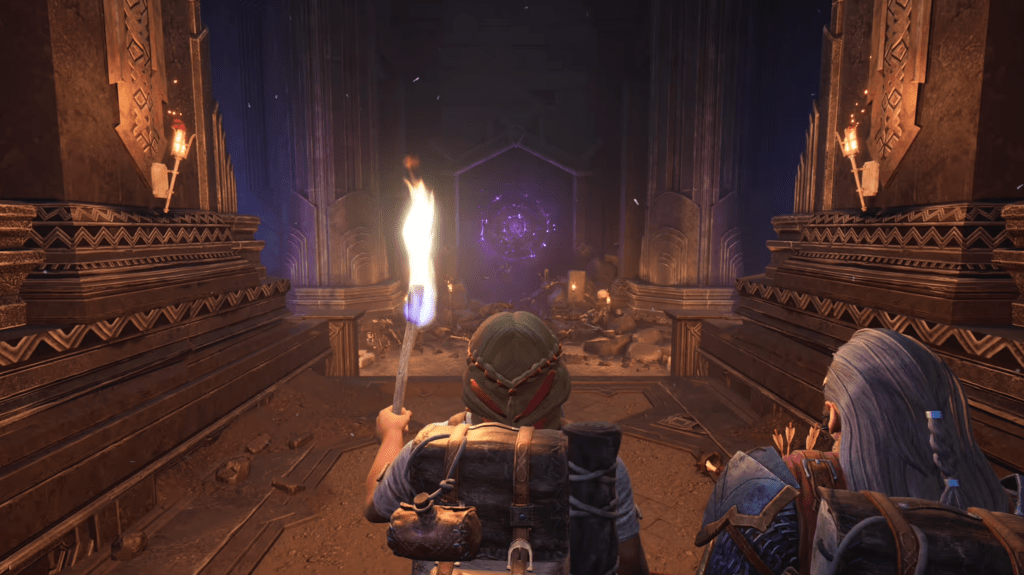
I expected it to be dark, ominous, and crumbling with age. And it is. But it’s also breathtaking. Massive halls stretch into the distance, their grandeur barely dimmed by the years of ruin. Forges lie dormant, waiting to be reignited. Hidden passageways and deep tunnels whisper of long-lost secrets. The play of light and shadow creates an atmosphere that’s both beautiful and deeply unsettling. And the mithril… oh man, the mithril.
It’s not just a backdrop—it feels alive. The deeper you go, the more oppressive it becomes. Silence stretches for just a little too long before the distant sound of something moving breaks it. There’s always a sense that something is watching, lurking just beyond the firelight. And when the orcs come, it’s not just a fight—it’s a desperate battle to hold your ground.
And yet, despite the danger, I find myself stopping every few minutes just to take in the scenery. The devs absolutely nailed the sense of scale and atmosphere, making Moria one of the most immersive locations I’ve explored in a long time.
The Journey Continues…
I know I’m still in the early stages, but I can already tell this is a game I’m going to spend a lot of time in. There’s so much to uncover, so many lost halls to reclaim, and I can’t wait to see how the story unfolds as I mine deeper (but hopefully not so deep that I wake another Balrog).
I’ll be writing about Return to Moria again once I’ve made more progress—hopefully with even grander halls restored and a few more battles won. But for now, I’ll keep swinging my pickaxe, forging my armour, and reminding the orcs exactly who Moria belongs to.
Khazâd ai-mênu!
 Jenesque Gaming
Leave a comment