
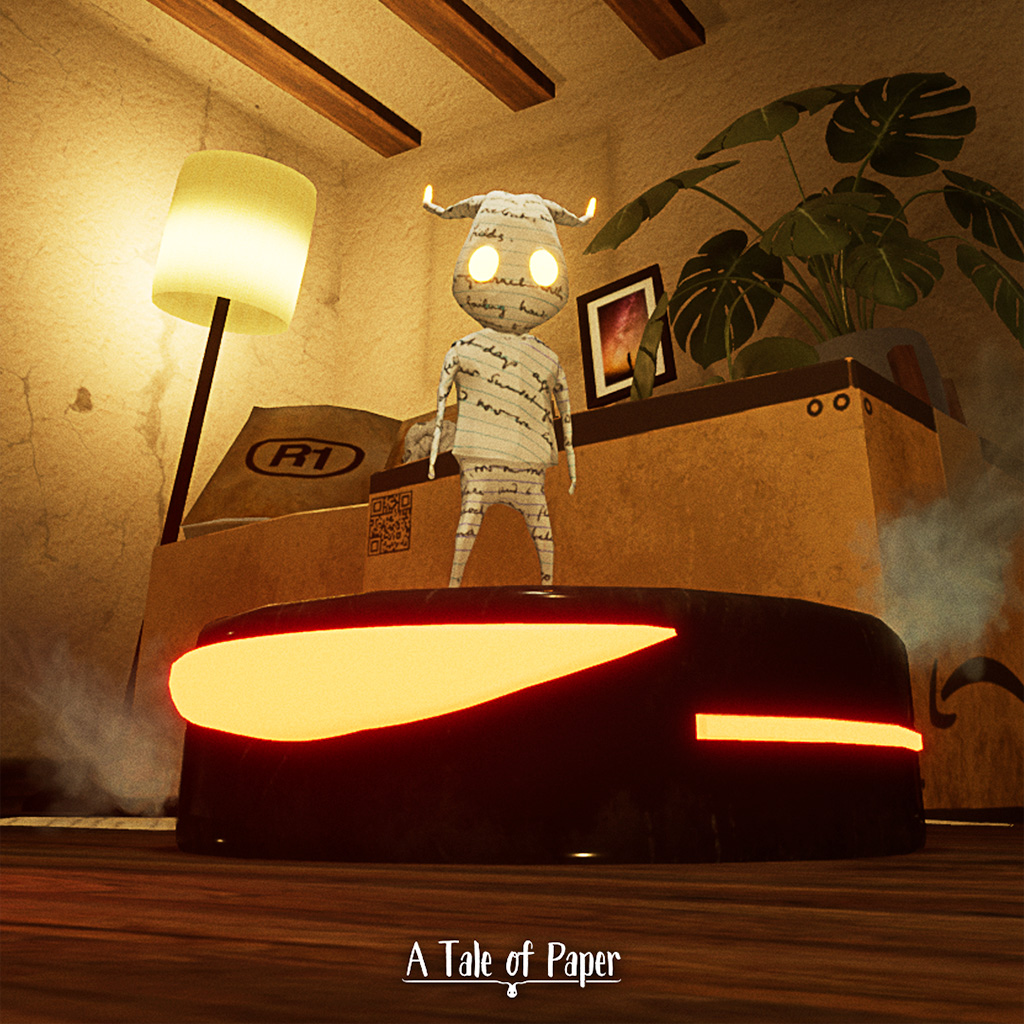
There’s something about tiny protagonists in big, dangerous worlds that always gets me. Maybe it’s the contrast—the vulnerability of something small against a vast and indifferent landscape. Or maybe it’s the sheer determination of these little paper creatures, bugs, or sock-clad robots that makes their journeys feel so personal. Either way, A Tale of Paper fits right into that category, and I was utterly charmed.
It’s a platformer, sure, but it’s also an experience. A delicate, poignant little adventure with a story told through movement rather than words. And if you think a game about a sentient origami creature sounds relaxing, let me assure you—this is not a casual stroll through a cosy paper-filled world. No, this game will repeatedly remind you how fragile your tiny paper body is, and it will absolutely make you suffer for your mistakes.
And I loved every second of it.
Small, Papery, and Slightly Doomed
You play as Line, a little paper being who, thanks to the magic of game logic, can transform into different origami shapes to overcome obstacles. Jumping over gaps? Fold into a frog. Need to squeeze through a tight space? Crane time. It’s a lovely mechanic that feels both intuitive and thematically perfect—because, of course, a paper creature would be able to reshape itself to adapt.
But Line is also made of paper, and in a world filled with water, fire, and various sharp objects, that’s… less than ideal. One wrong move, and you’re toast. Literally. There’s a specific kind of heartbreak that comes with seeing your tiny hero perish because you slightly mistimed a jump and fell into a puddle. A puddle. This is a game that constantly reminds you how fragile you are, and yet, it also urges you to push forward—to keep unfolding, if you will. (Yes, I went there.)
The platforming itself is smooth and satisfying, with each new environment introducing a fresh challenge or a new way to use your origami abilities. There’s a sense of discovery here that I really enjoyed—each transformation feels like a reward, another way to survive in a world that isn’t built for creatures like you.
A Wordless Story That Hits Harder Than Expected
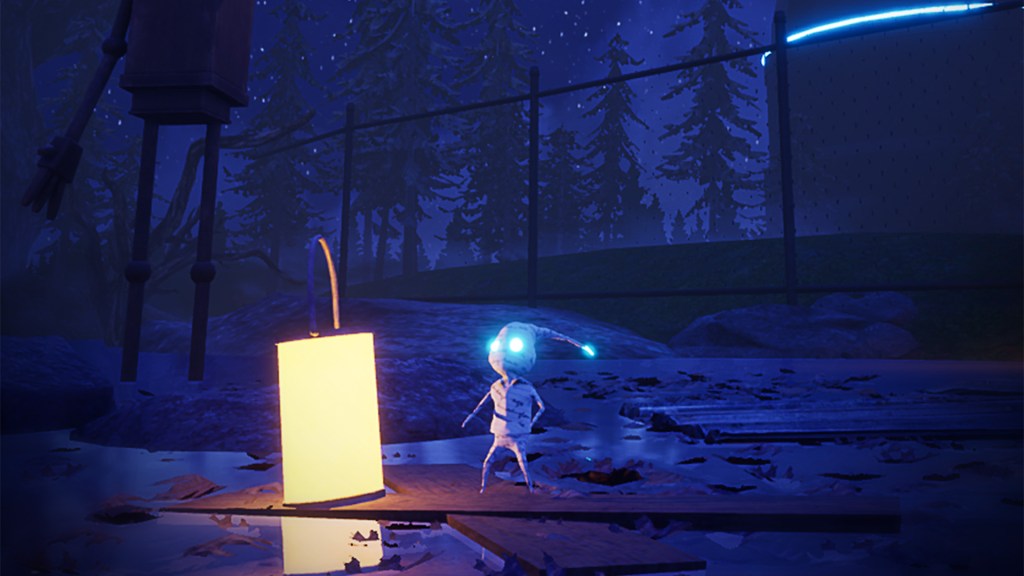
There’s no dialogue in A Tale of Paper, no on-screen text telling you what’s going on. Instead, the story is woven through the environment, through movement, through the simple act of existing in this world. It’s quiet, melancholic, and somehow deeply affecting despite its minimalism.
I won’t spoil anything, but let’s just say that if you go into this expecting a cheerful adventure where a happy little paper friend frolics through the world, you might want to prepare yourself for something a little more… emotionally devastating. There’s beauty in the sadness, though, and by the end, A Tale of Paper leaves you with the kind of bittersweet feeling that lingers long after the credits roll.
The Art of Paper (and Atmosphere)
Visually, A Tale of Paper is absolutely stunning. There’s something about the scale of everything—how ordinary household objects become massive, insurmountable obstacles when you’re small—that makes every environment feel both familiar and slightly eerie. A sink is suddenly a deadly pit, a toy car feels like an actual vehicle, and the world looms over you in a way that makes your journey feel all the more perilous.
The lighting, textures, and tiny details bring everything to life, making each setting feel like it tells its own story. And the sound design? Beautiful. The soft rustle of paper as you move, the distant hum of the world around you—it all adds to the immersion. There’s a quiet loneliness to it all, but it’s the good kind of loneliness. The kind that makes you want to keep going, even when things feel impossibly big and overwhelming.
Verdict: A Beautiful, Heartbreaking Delight
I adored A Tale of Paper. It’s short, yes, but it doesn’t need to be long to leave an impact. It’s one of those games that sticks with you—not because of its difficulty (though it will test your patience at times), but because of how effortlessly it weaves emotion into its gameplay.
It’s beautiful, it’s poignant, and it will absolutely make you question why you ever thought playing as a tiny paper creature would be a relaxing experience. But if you love games that feel—that make you stop and appreciate the quiet beauty of a well-crafted world—this one is well worth your time.
Just… maybe keep a box of tissues nearby. Not for your tears (okay, maybe a little), but in case you start looking at paper in an entirely new, emotionally compromised way.
 Jenesque Gaming
Leave a comment