
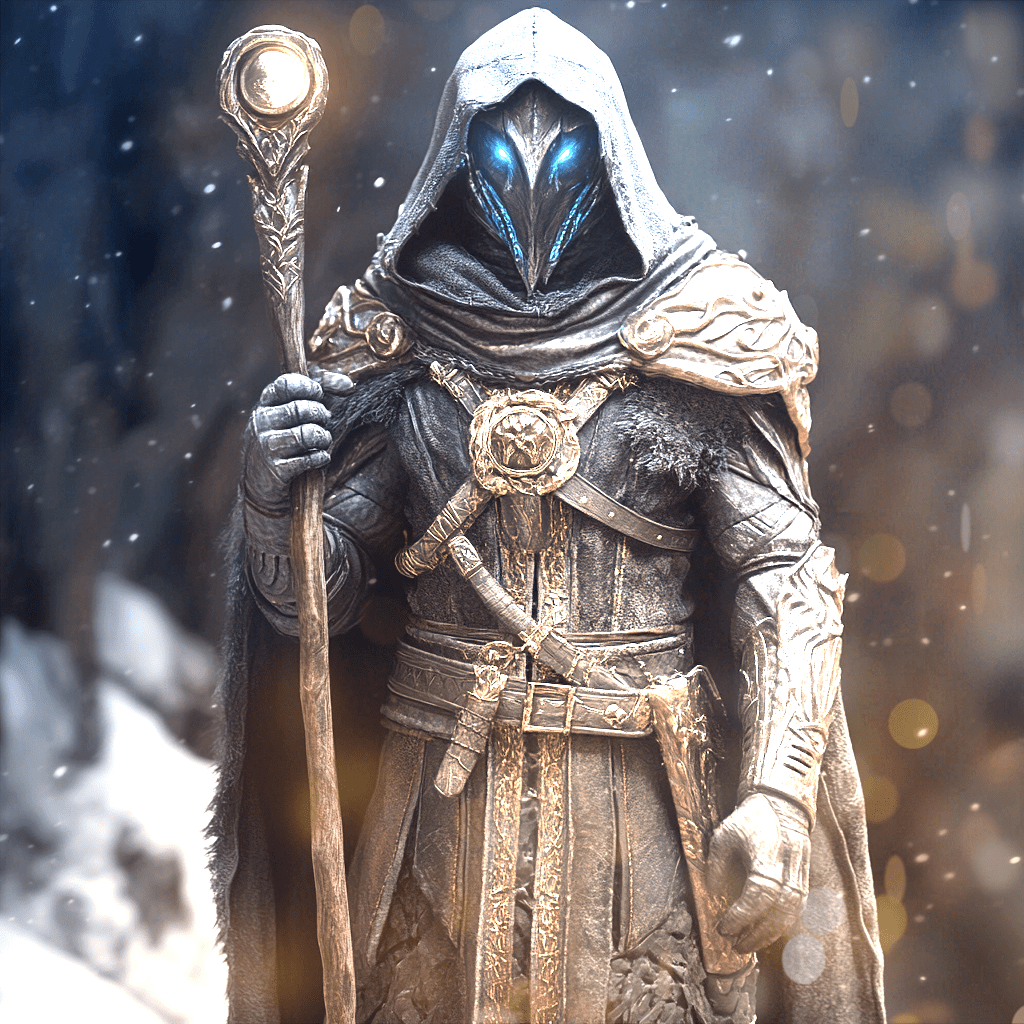
We’ve all been there. The teaser trailer drops. The music swells. That one dramatic shot of the protagonist standing on a cliffside overlooking some breathtaking landscape hits just right. And suddenly, the hype train is at full speed, barrelling towards an inevitable conclusion: either gaming nirvana or crushing disappointment.
Game marketing has become a finely tuned machine, expertly designed to whip us into a frothing frenzy. Cinematic trailers, cryptic teasers, developer diaries promising the world… it’s all part of the cycle. And yet, despite years (sometimes decades) of experience, we fall for it every time. Why? Let’s unpack the dangerous allure of video game hype.
The Promise of the ‘Next Big Thing’
Gaming is built on innovation. Every year, new technologies emerge, mechanics evolve, and developers push the boundaries of what’s possible. When a game promises to redefine the genre, revolutionise open-world exploration, or deliver the most realistic NPC behaviour ever seen (spoiler: they still walk into walls), it’s hard not to get swept up in the excitement.
We want to believe that this time, this time, the developers have cracked the code. That the ‘living world’ won’t just be NPCs repeating the same three voice lines. That the combat will be as fluid and dynamic as it looked in the trailer. That we’ll be playing something truly groundbreaking. And sometimes, that belief keeps us blind to the warning signs.
Trailers vs. Reality: A Tale as Old as Time
Ah, the E3 trailer. That glittering beacon of not actual gameplay footage. We watch in awe as the protagonist stealthily takes down enemies with smooth, dynamic movements, the lighting system reacts perfectly to every shadow, and the dialogue is the kind of naturalistic banter you’d expect from an HBO series.
Fast-forward to launch day, and what do we get? A janky mess where NPCs T-pose through cutscenes, enemies glitch into the floor, and your character’s cloak mysteriously floats three feet behind them at all times. The scripted ‘gameplay’ we saw months before? Turns out that was just a heavily curated vertical slice, carefully designed to look far more polished than the reality.
(Cough Cyberpunk 2077 cough.)
Pre-Orders: The Industry’s Biggest Scam?
Let’s talk about pre-orders. Once upon a time, pre-ordering a game made sense. Back in the dark ages when physical copies were limited and you didn’t want to risk missing out on launch day. But now? When digital downloads exist? It’s essentially handing over your money for a product you haven’t even seen yet.
And yet, developers keep luring us in with exclusive pre-order bonuses. ‘Buy now and get this totally useful in-game skin that you’ll use for approximately five minutes before replacing it with actual gear!’ We bite. Every. Single. Time. And that’s before we even get to deluxe editions, which promise even more content (that should probably just be included in the base game, if we’re being honest).
The Cycle of Disappointment
Here’s how it usually plays out:
- Teaser Trailer – Excitement. Developers say all the right things. Hype builds.
- Gameplay Reveal – Everything looks scripted, but we choose to believe.
- Pre-Order Madness – ‘Must. Have. Now.’
- Launch Day Reality – The bugs. Oh, the bugs.
- Post-Launch Coping – Defenders claim ‘It’ll be fixed in patches!’
- Delayed Gratification – A year later, the ‘definitive edition’ is finally playable.
And then the cycle begins again.
Learning From the Past (Or Not)
Despite years of getting burned, the hype train never truly stops. There are games that deliver on their promises (Elden Ring, looking at you), but for every success, there’s a No Man’s Sky, a Fallout 76, a Battlefield 2042—games that, at launch, simply weren’t what was promised. (Yes, some of them eventually got better, but should we really be paying full price for potential?)
So, what’s the solution? Do we just stop getting excited? Harden our cynical hearts and refuse to believe the lies? Maybe. But let’s be honest—when that next big trailer drops, we’ll still be there, watching it frame by frame, analysing every tiny detail, and telling ourselves that this time, it’ll be different.
And when it isn’t? Well, there’s always the inevitable ‘Apology Roadmap’ from the devs.
 Jenesque Gaming
Leave a comment